

smart nutritional support DESIGNED TO COMPLEMENT YOUR WELLNESS GOALS DURING WEIGHT LOSS.*
GLP-1 receptor agonist medications are increasingly prescribed to support weight management. They work in part by reducing hunger and prolonging feelings of fullness, which is part of what makes them effective for weight loss.
Reduced appetite can be an advantage during a weight-loss journey, but it also means the quality of your diet matters more than ever. Every meal needs to work harder to keep your body nourished, healthy, and balanced.
Your body relies daily on a range of nutrients, including vitamins, minerals, proteins, and essential fatty acids, to support energy, immunity, metabolism, and hormonal balance. Even with a well-planned diet, eating less can make it harder to hit ideal nutrient levels on food alone, which is where smart supplementation can help fill the gap.*
*These statements have not been evaluated by the Food and Drug Administration. This product is not intended to diagnose, treat, cure, or prevent any disease.


Discover strategies to optimize treatment, maintain health, and promote long-term results
GLP-1 medications reduce hunger and lead to eating less, which intensifies the nutritional challenge: less food means fewer nutrients. That's where the right supplementation makes all the difference, helping you preserve and even build lean mass, maintain energy and vitality, support proper intestinal function,
and stay properly hydrated.*
Prioritizing nutrition is fundamental to healthy, sustainable weight loss.
The focus shouldn't be on losing weight alone, but on keeping your body nourished, balanced, and functioning well throughout the process.
With that in mind, we created GLP-1 Support Nutrition, a guide developed
to support patients during their weight-loss journey. Based on evidence
and scientific research, this guide highlights the importance of nutritional supplementation during treatment.
What should you supplement during
a GLP-1 weight management journey?

Proteins
During weight loss, especially when using medications that reduce hunger, the body tends to use not only fat but also muscle mass as a source of energy. This can lead to loss of strength, reduced physical performance, and may even impact quality of life.
To prevent this loss of lean mass, it's essential to ensure adequate daily protein intake. Protein supplementation, combined with regular exercise, helps support muscle maintenance and healthy body composition during
weight loss.*

Vitamins and Minerals
They are essential for the proper functioning of the body, participating in processes such as physical and mental health, energy metabolism, immune system strength, collagen production, and skin and hair health.*
Medications that increase feelings of fullness can reduce overall food intake, making it more challenging to meet daily vitamin and mineral needs. Supplementation may help support adequate intake of these micronutrients, which play important roles in energy metabolism, immune function, collagen formation, and other body processes.*

Electrolytes
Adequate hydration is essential for the function of virtually all body systems. In addition to drinking water regularly, it's important to maintain your electrolyte balance. Minerals such as sodium, potassium, and magnesium support vital functions including heart rhythm, muscle contraction, and fluid balance.*
Reduced food intake and changes in eating habits during a GLP-1 weight management program can affect daily hydration. That's why maintaining adequate water and electrolyte intake becomes especially important.

Fibers and Probiotics
Gut health plays a key role in immunity, nutrient absorption, and energy production.* GLP-1 medications can slow digestion, which may contribute to occasional constipation and digestive discomfort.
Adequate intake of prebiotic fibers supports healthy digestion and regularity during caloric restriction.*
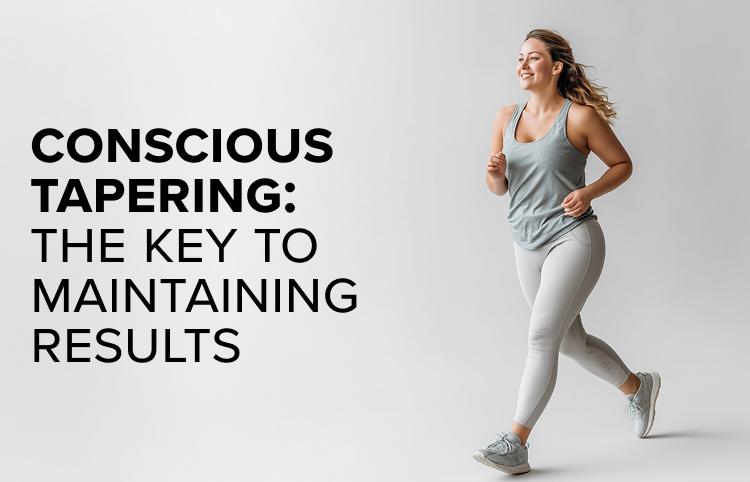
Conscious tapering: the key to maintaining results
The use of GLP-1 analogs may be temporary, but the desired effects, such as weight loss, metabolic balance, and greater well-being, can (and should) be long-lasting. That's why the tapering period deserves special attention.
Tapering off gradually, under proper medical guidance, allows the body to regain natural control over hunger and satiety signals. This transition requires strategies that sustain the results already achieved, such as maintaining a nutritious eating routine, continuing appropriate supplementation, staying physically active, and preserving gut health.
With the right information and supplementation, many patients find that their bodies can function well on less food, as long as what they eat is nutrient-dense.* This mindset becomes even more powerful when combined with an active lifestyle, staying consistently active, eating well, and moving daily, which strengthens both body and mind and supports a more conscious, sustainable way of living.
Beyond losing weight, the real goal
is transforming your relationship with
your body, and that transformation
continues well after treatment ends.
recommended products GLP-1 Support Nutrition
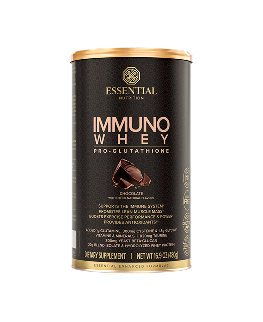
Immuno Whey Chocolate |
15 servings
Chocolate Flavor
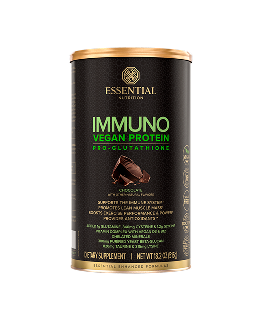
Immuno Vegan Protein Chocolate |
14 servings
Support | Chocolate Flavor
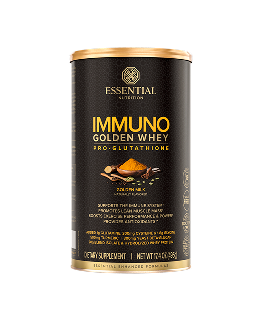
Immuno Golden Whey |
15 servings
Glutathione Precursors | Golden Milk Flavor
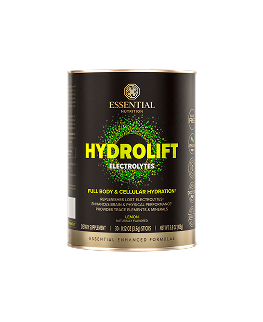
Hydrolift Lemon 3.3 oz (99g) |
30 sticks
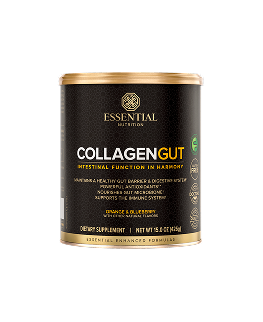
Collagen Gut Orange & Blueberry |
20 servings
formula | Intestinal harmony & integrity

Collagen Resilience Passion Fruit |
30 servings
balance | Body & Mind in harmony

Collagen Skin Unflavored |
30 servings
and nails | Beauty from the inside out

Collagen Skin Cranberry |
30 servings
and nails | Beauty from the inside out
recommended products GLP-1 Support Nutrition
see all
Immuno Whey Chocolate |
15 servings
Chocolate Flavor
Immuno Vegan Protein Chocolate |
14 servings
Support | Chocolate Flavor
Immuno Golden Whey |
15 servings
Glutathione Precursors | Golden Milk Flavor
Hydrolift Lemon 3.3 oz (99g) |
30 sticks
Collagen Gut Orange & Blueberry |
20 servings
formula | Intestinal harmony & integrity
Collagen Resilience Passion Fruit |
30 servings
balance | Body & Mind in harmony
Collagen Skin Unflavored |
30 servings
and nails | Beauty from the inside out
Collagen Skin Cranberry |
30 servings
and nails | Beauty from the inside out
Common questions about GLP-1 medications
that helps regulate blood sugar levels and feelings of fullness.
and type 2 diabetes by reducing appetite and helping control glucose levels.
Yes, losing lean mass is common while using GLP-1 analogs, especially without a smart nutrition strategy. As the body loses weight, it can draw on both fat and muscle as sources of energy. Without enough attention to diet quality and protein intake, the body may break down muscle tissue, known as lean mass loss.
That's why we always emphasize the importance of a balanced diet and targeted supplementation during weight-loss treatment, to help preserve muscle, maintain vitality, and support healthy, sustainable weight loss.*
